

This blog will explore the key benefits of AI, touching on how it enables automation and efficiency, improves decision-making, enhances customer experiences, and fosters creativity.
Artificial intelligence (AI) is no longer a futuristic concept reserved for sci-fi movies; it’s now an integral part of life. Whether it’s the virtual assistant that helps you schedule a meeting or the algorithm that recommends your next Netflix binge, AI is all around us. But beyond day-to-day conveniences, AI is revolutionising industries, empowering businesses, and opening up new paths for innovation.
Artificial Intelligence VS Human Intelligence
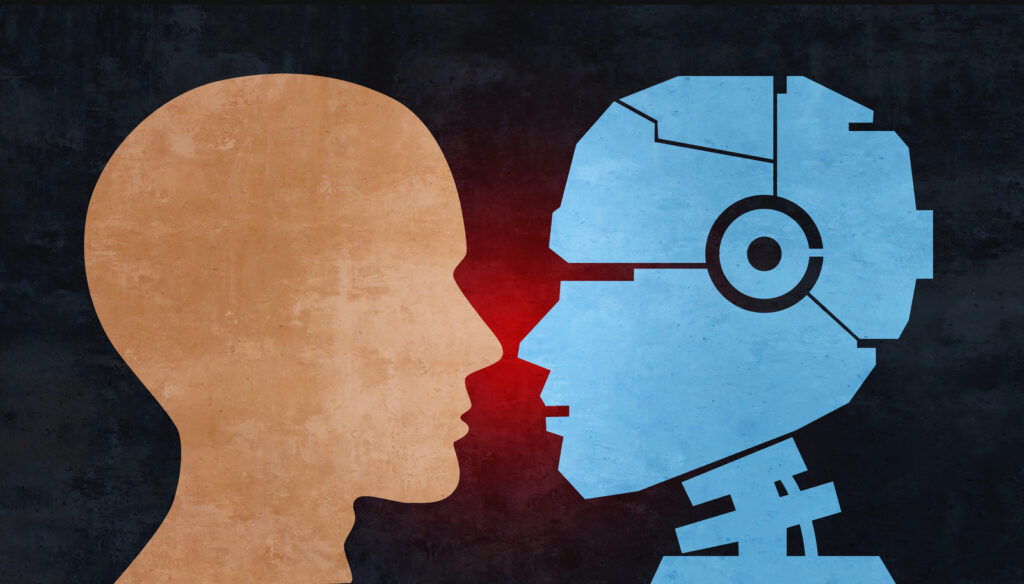
Artificial intelligence, as the name suggests, is a form of intelligence that has been created artificially through computer systems called machine learning.
In contrast, human intelligence refers to our innate cognitive abilities that allow us to think, reason, and solve problems. While Artificial intelligence and human intelligence may seem at odds with each other, they actually complement each other in many ways.
One key difference between human and artificial intelligence is their respective strengths. AI systems excel at handling large amounts of data quickly and accurately, making it ideal for repetitive tasks such as data analysis, pattern recognition, and prediction. On the other hand, the human brain has higher emotional intelligence and are better at complex problem-solving that requires creativity and empathy.
Benefits Of AI
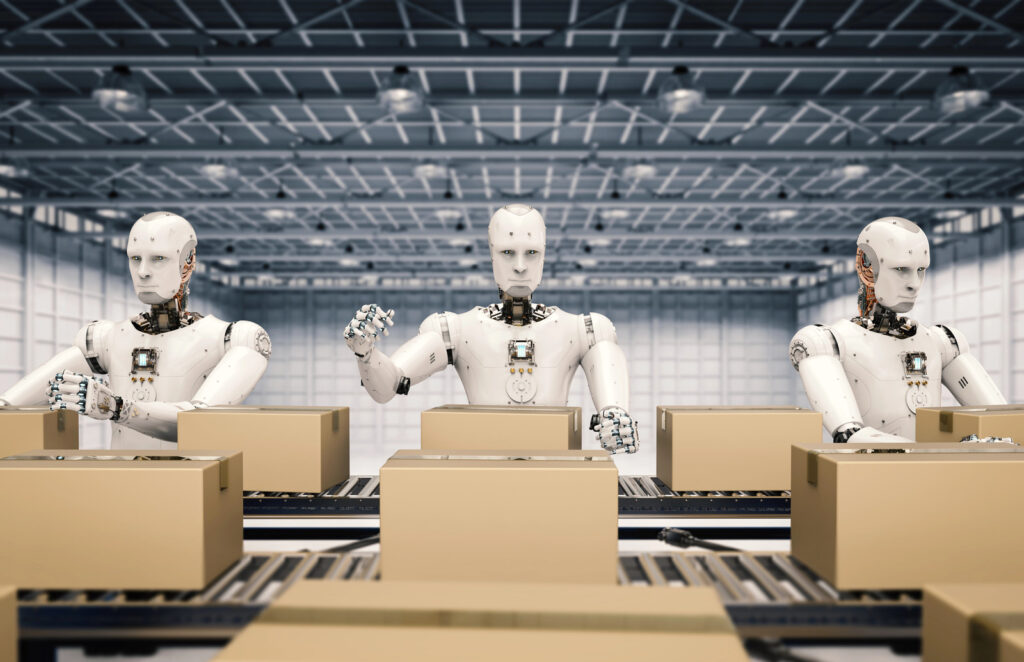
Leveraging AI technology into routine tasks has many benefits, reducing human error and the ability to automate repetitive tasks makes them faster and more accurate. This can free up valuable time for workers to focus on more complex tasks, leading to increased productivity and efficiency.
While there may be some fears surrounding the rise of AI, there are also many potential benefits that come with its development and integration into various industries. Some of these benefits include:
Simplifying Workflows
AI models powered with automation tools are transforming industries such as healthcare, manufacturing, and retail.
- AI powered robots are now assembling products on factory floors with surgical precision and around-the-clock efficiency.
- AI systems like robotic process automation (RPA) handle routine office tasks, such as data entry and invoice processing, with zero errors.
- Healthcare providers use AI systems to schedule patient appointments, issue prescriptions, and even transcribe medical records, ensuring practitioners spend more time with their patients rather than navigating administrative hurdles.
Cost Savings
By taking over tedious tasks, AI technology significantly cuts down labour costs while increasing output quality. A McKinsey study suggests that artificial intelligence automation could boost the global economy growth by 0.8–1.4 per cent annually, a potentially game-changing figure for businesses looking to scale efficiently.
Simply put, AI systems allow organisations to do more with less while improving results and decision making.
Improved Decision-Making Through Data Analysis
Decision-making in business is no longer about gut instincts alone. AI systems empower organisations by taking oceans of historical data, analysing it in seconds, and delivering actionable insights.
Harnessing Big Data
The amount of data generated every day is staggering. Experts estimate that 328.77 million terabytes of data are created daily. But training data is only valuable if it can be organised and understood. That’s where AI algorithms come in.
AI technology can crunch massive datasets in real-time, identifying patterns and correlations that would take human analysts months to uncover. Platforms like Tableau and Power BI use AI algorithms to transform raw data into visual dashboards, helping business leaders make better-informed decisions.
Predictive Analytics
Beyond understanding what has already happened, AI systems can predict future trends. Predictive analytics powered by AI helps stock market traders forecast trends, retailers predict inventory needs, and marketers tailor personalised campaigns well before a product goes live enabling them to make better informed decisions.
AI doesn’t just help us see clearly; it helps us see ahead and reduces human error.
Enhanced Customer Experience
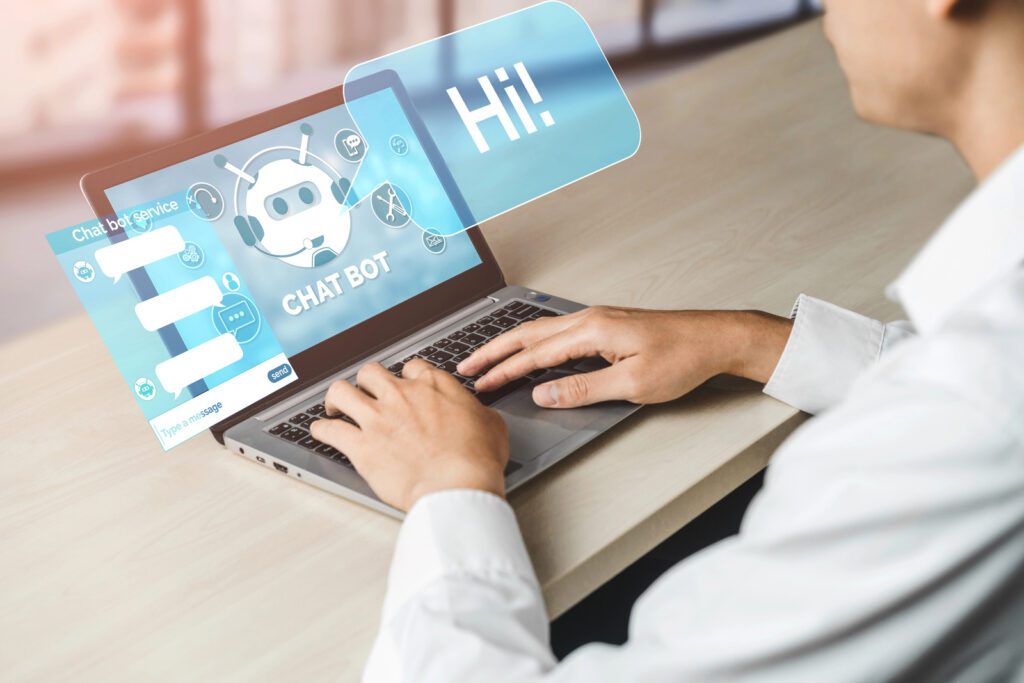
One of the standout benefits of AI tools is its profound impact on how businesses interact with their customers. Thanks to advancements in natural language processing (NLP) and machine learning, businesses can now create experiences tailored to each user.
Personalisation at Scale
Ever notice how Spotify perfectly curates playlists just for you, or how Amazon recommends products you didn’t even know you needed? That’s AI hard at work.
Artificial intelligence AI analyses your behaviour and preferences to deliver highly customised experiences, making your interaction with a brand feel more personal. For businesses, this translates into increased engagement, loyalty, and ultimately, revenue.
AI-Powered Chatbots and Virtual Assistants
Customer service has reached new heights thanks to AI chatbots and virtual assistants. Bots like Zendesk and LivePerson provide 24/7 support, answering customers’ common questions, making recommendations, and even processing refunds. But these aren’t your average scripted bots anymore; they’re increasingly capable of engaging in meaningful, human-like conversations.
For instance, AI customer service tools use sentiment analysis to assess a customer’s tone and emotion, offering empathetic and precise responses. This ensures a smooth customer experience, even during challenging interactions.
Innovation and Creativity
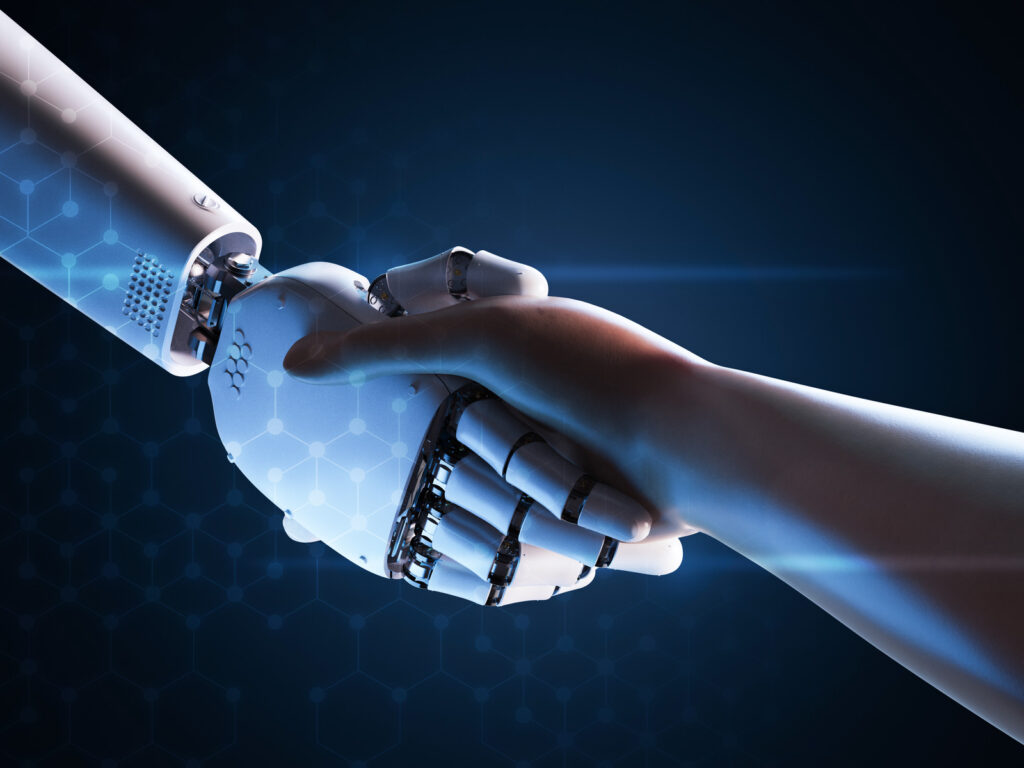
Far from replacing human creativity, AI has become a tool that amplifies and accelerates it.
Enhancing Product Development
AI is enabling companies to deliver innovations faster than traditional methods would allow. For example, pharmaceutical companies use AI to analyse molecular structures and expedite drug development. What once took years now takes weeks.
Similarly, in the automotive industry, AI plays a key role in designing safer and more efficient vehicles, such as self-driving cars. Tesla, for example, relies heavily on AI for autonomous driving technologies, using complex algorithms that learn and improve with every kilometre driven.
Empowering Creative Industries
AI has ushered in a wave of creativity in fields like art, music, and fashion. Content creators use tools like Adobe Sensei to edit images and videos more efficiently, while musicians are utilising AI to compose original pieces that harmoniously blend human and machine influence.
Start ups like Runway AI allow creators to generate deepfakes, animation sequences, and image enhancements, expanding how people tell stories in digital spaces. AI is proving to be not just a tool for efficiency but an enabler of innovation.
What’s Next for Artificial Intelligence?
AI is not static; it’s continuously evolving and expanding its reach. Its integration into business functions, creative arts, and everyday life signals that it is here not just to assist but to become a core part of how we operate.
From streamlining operations to igniting creativity, AI enhances human capabilities by reducing human error. The next step is recognising how your organisation or daily life can leverage AI potential. Despite some challenges—including ethical concerns around data privacy and biases in algorithms—AI’s potential benefits far outweigh its limitations.