

Artificial Intelligence (AI) is revolutionising industries worldwide, and education is no exception. A new wave of “AI teachers” is emerging, promising to redefine how students learn and interact with educational content.
This blog explores the benefits, challenges, and future of AI classroom life, as well as their potential to support teachers, not replace—human educators.
What Are AI Teachers?
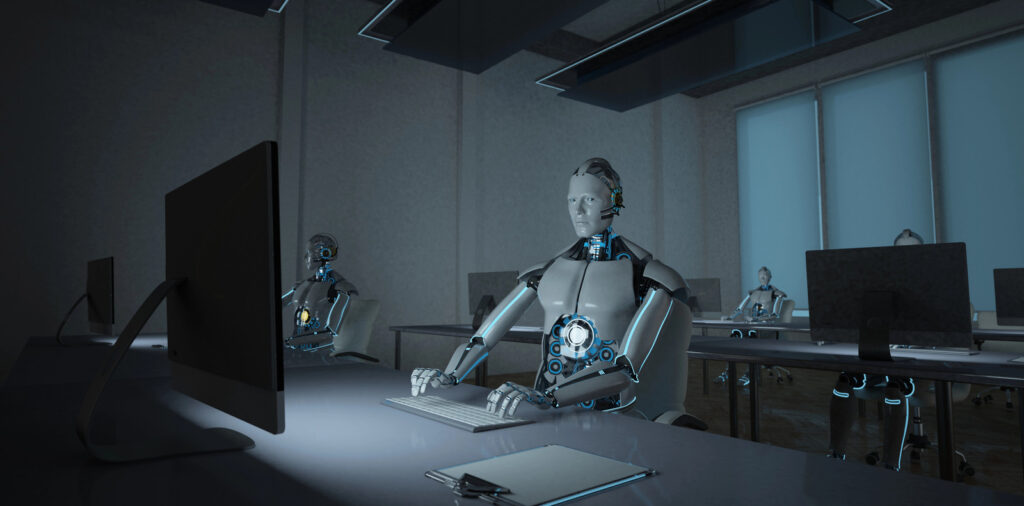
AI teachers are AI powered tools, artificial intelligence systems, that are designed to simulate the role of human educators. These systems employ algorithms for more personalized learning experiences, provide real-time feedback, and adapt to students’ unique needs.
Unlike traditional face to face teaching methods, AI introduces an unparalleled level of scalability, enabling education to reach millions of learners simultaneously.
From platforms like Duolingo teaching languages to sophisticated tools like IBM’s Watson Education providing customised lesson plans, AI teaching tools are increasingly becoming an integral part of modern education.
As we explore their potential, it’s important to look at both the opportunities and the challenges they bring to the table.
The Benefits of AI Teachers
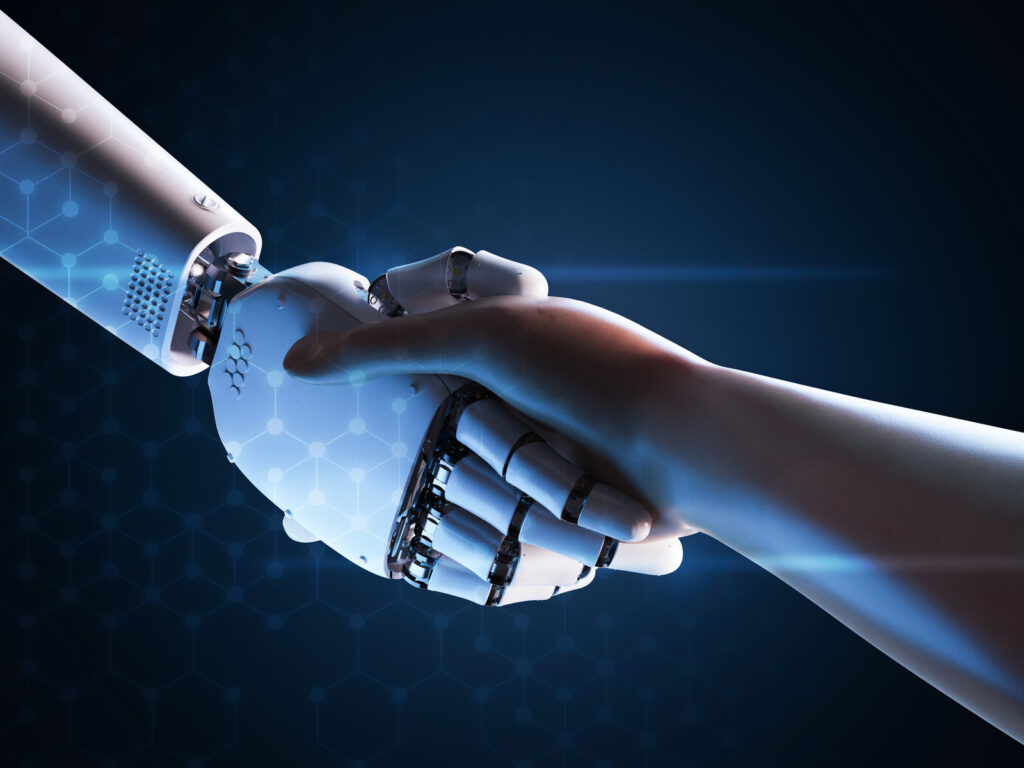
AI tools present a host of benefits that could redefine our approach to learning. These advantages extend to students, teachers, and the broader educational landscape.
1. Personalized Learning and Inspiring Lessons
One of AI’s greatest strengths lies in its ability to deliver highly personalised educational content. AI systems adapt to each student’s learning pace, strengths, and weaknesses. For example:
- A student struggling with algebra may receive simplified explanations or extra practice exercises.
- Conversely, an advanced learner can access more challenging materials to keep them engaged.
This level of customisation creates engaging and inspiring lessons tailored to the individual student. Instead of forcing all students into the same curriculum, AI allows for a more personalised approach to learning.
It also ensures that every student receives the right support for their educational needs, fostering greater engagement and comprehension.
2.Save Teachers Time
The average teachers workload involves planning and preparing lessons, grading assignments, and creating assessments. With the help of AI, this workload can be significantly reduced and save time with everyday tasks.
AI technology can help teachers automate various everyday tasks such as plan lessons, grading, and assessment creation. This frees up valuable time for teachers to focus on providing quality instruction and individualized support to their students.
AI-powered tools can give feedback straightaway on student work, saving teachers from spending hours grading assignments. This reduces the burden on teachers and allows them to have more time for professional development or other aspects of their job.
With an AI platform students are never constrained by time zones or school hours. Students can access lessons, quizzes, and feedback whenever they need it. This round-the-clock availability is particularly impactful for adult learners balancing education with work or for students in remote parts of the world where access to quality educators is limited.
3. Unbiased and Objective Assessment
AI tools evaluate students based on data and performance metrics, eliminating unconscious biases that sometimes occur in human grading. The result? Fairer assessments that reflect a student’s true abilities.
For example, AI scoring in platforms like Turnitin or Edmentum helps evaluate essays and assignments accurately, without the influence of subjective judgments.
4. Support Teachers with Administrative Tasks
Rather than replacing teachers, AI can help teachers augment their capabilities by automating repetitive administrative tasks like grading and administrative duties. This frees up educators to focus more on one-on-one mentoring and fostering meaningful relationships with their students.
Challenges and Concerns

Despite its many advantages, the implementation of AI tools in the classroom is not without challenges.
1. Data Privacy and Security
AI tools rely heavily on student engagement and data to deliver personalised experiences. However, this raises concerns about data privacy and the ethical use of personal information. Schools and developers must ensure robust data protection measures and comply with legal frameworks like GDPR.
2. Lack of Emotional Intelligence
One key limitation of AI teachers is their inability to replicate the emotional intelligence and empathy of human educators. While AI can analyse learning patterns, it cannot provide the social and emotional support that many students require. A student struggling with anxiety, for example, may benefit more from a compassionate conversation with a teacher than standardised AI feedback.
3. Job Displacement Fears
The introduction of AI tools in the classroom has sparked concerns about job security for educators and school leaders. However, experts believe AI tools are more likely to complement human teachers rather than replace them. Teachers will continue to hold pivotal roles in fostering critical thinking, creativity, and interpersonal skills that AI tools cannot replicate.
The Future of Education with AI
The future of education promises a deeper integration of AI tools in the classroom, transforming traditional teaching methodologies and opening doors to new learning possibilities. Here are some anticipated trends:
- Gamification: AI could enhance learning experiences by integrating game-based scenarios, making education more engaging and fun.
- Virtual Reality (VR) Integration: Future AI teachers will likely collaborate with VR technology to create immersive learning environments, such as historical reconstructions or science experiments.
- Global Accessibility: Countries with limited educational infrastructure could benefit significantly from AI-powered lessons in multiple languages, bridging gaps in quality education.
However, it is vital that AI development in education works alongside a robust framework to tackle ethical considerations.
The Ultimate AI Platform for Education
As we can see, AI has the potential to revolutionize education in various ways. To fully realize this potential, a comprehensive and efficient AI platform for education is necessary. A centralized platform will allow educators and students to access a range of AI-powered tools and resources that cater to different learning styles.
Generative AI for Personalized Learning
One of the key features of an AI platform for education is its ability to provide personalized learning experiences. With generative AI, the platform can analyze student data and create tailored content and exercises based on their individual strengths and weaknesses. This not only enhances student engagement but also promotes a more efficient learning process.
Intelligent Tutoring Systems
Intelligent tutoring systems (ITS) are another crucial component of an AI platform for education. These digital tutors use adaptive algorithms to identify knowledge gaps and provide targeted guidance and support to students in real-time. ITS can also track progress over time, providing valuable feedback to educators.
Ethical Considerations in AI Education
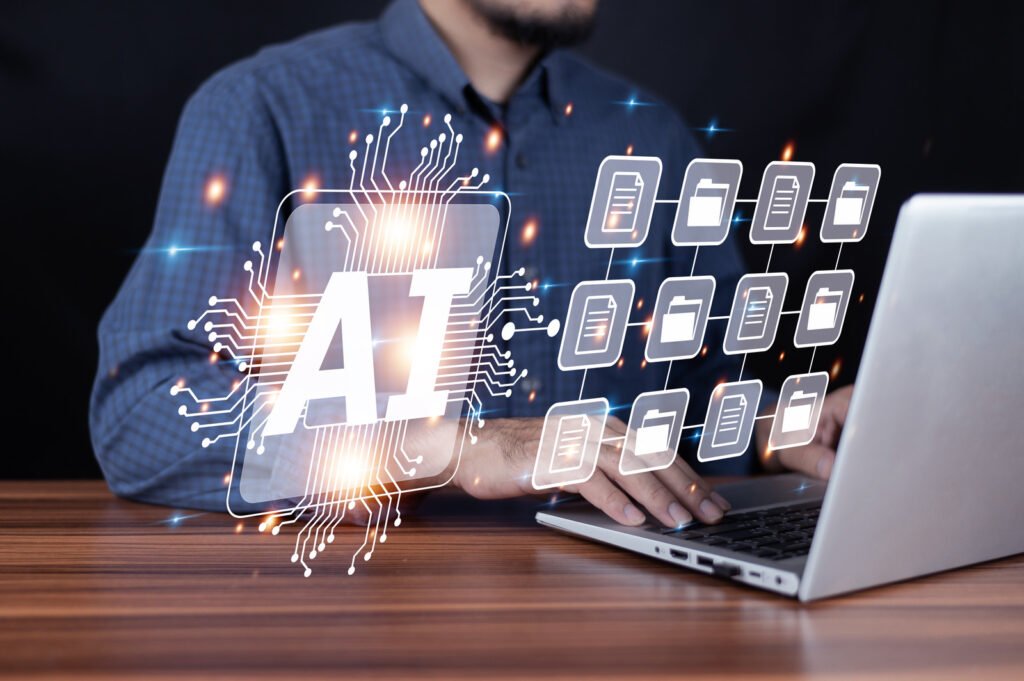
For AI tools to be effective and equitable, developers and educational institutions must prioritise ethics. Areas of focus include:
- Fairness: Algorithms should be designed to avoid biases, ensuring that all students, regardless of background, receive equal opportunities.
- Transparency: Students, parents, and teachers must understand how AI systems make decisions or recommendations.
- Accountability: Schools should hold AI providers accountable for any inaccuracies or adverse impacts arising from their systems.
Governments, educators, and tech companies need to collaborate to establish guidelines that promote responsible AI usage in the classroom.
Redefining the Role of Educators with AI
AI teaching is not here to replace human educators; they are powerful tools designed to assist them. The ultimate goal is to balance the strengths of both AI tools and human emotional intelligence.
Human teachers will still be responsible for fostering creativity, empathy, and social interaction, while AI teachers will manage the technical and data-driven aspects of education and lesson plans. Together, they create a more holistic and inclusive learning environment.